A cupid’s stone
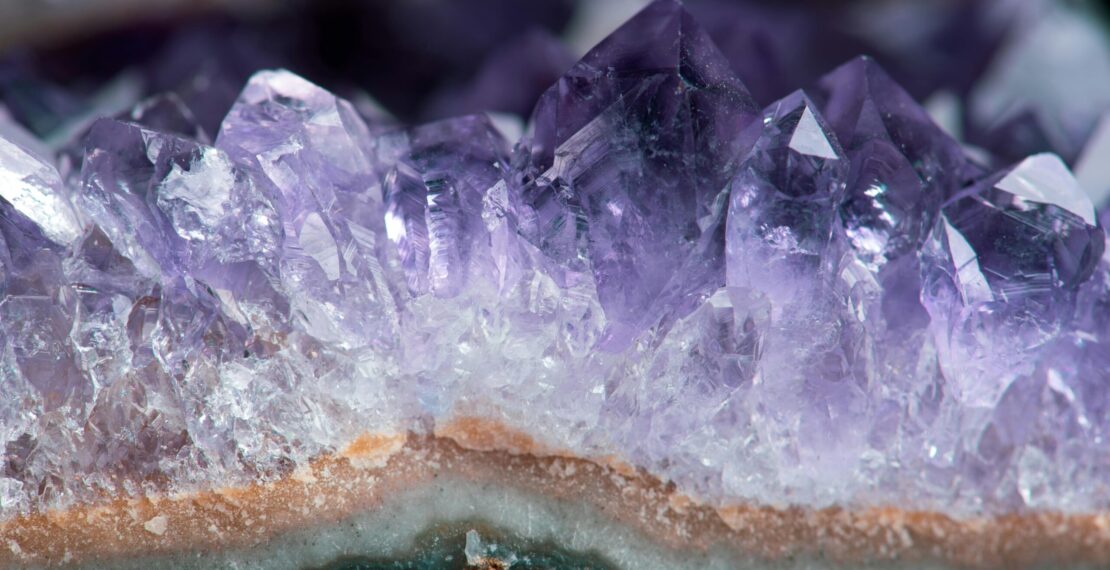
As if one were briefly cast under a spell and then gently released, the amethyst gemstone exudes a dualistic aura, both innocent and alluring. This captivating quality may stem from ancient Greek mythology: Dionysus and Amethystos, where the origins of amethyst are tied to a tragic tale of innocence and temptation with the name Amethystos meaning “not intoxicated” or “not drunken.”
Another legend tells of St. Valentine wearing an amethyst ring engraved with Cupid’s likeness. This association is often cited as the reason amethyst became February’s birthstone, with both stories celebrating love alongside its many other attributed qualities: protection, purification, and transformation.
A Gentle Gemstone
Amethyst is prized as a versatile gemstone for jewellery, admired for its beautiful and wide array of purple hues. Although it ranks a 7 on the Mohs hardness scale, craftsmen and amethyst wearers often regard it as a relatively soft gemstone, as it can show visible wear and tear over time. As a result, it is best suited for casual wear and is less commonly chosen as an engagement stone.
That said, never say never. With mindful care, amethyst remains a delicate and ethereal choice, for its violet hues, making it undeniably entrancing for those willing to commit to its upkeep.
Love, Cast in Purple
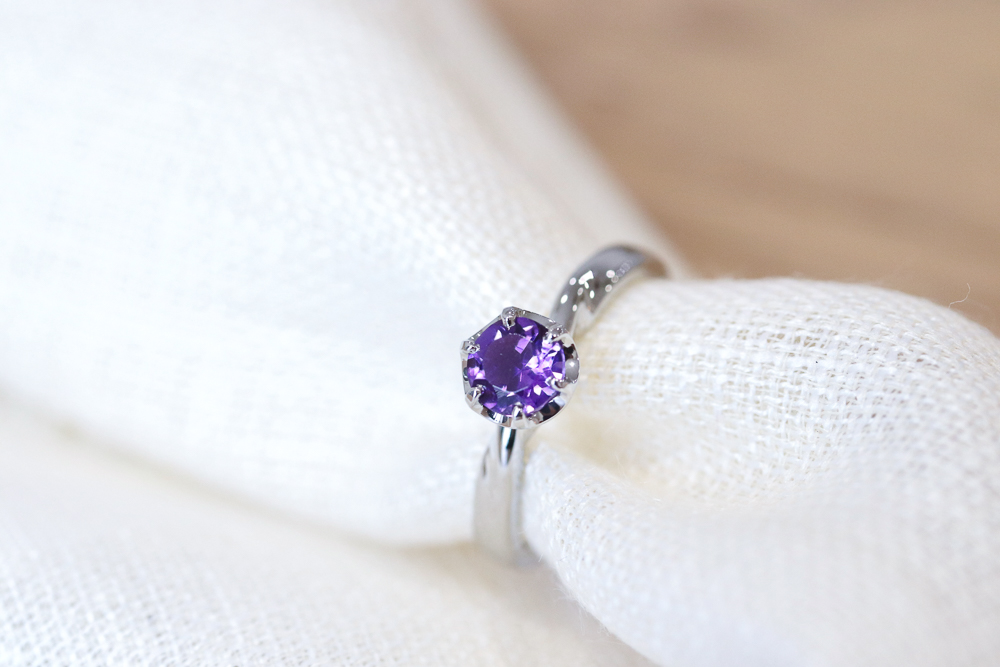
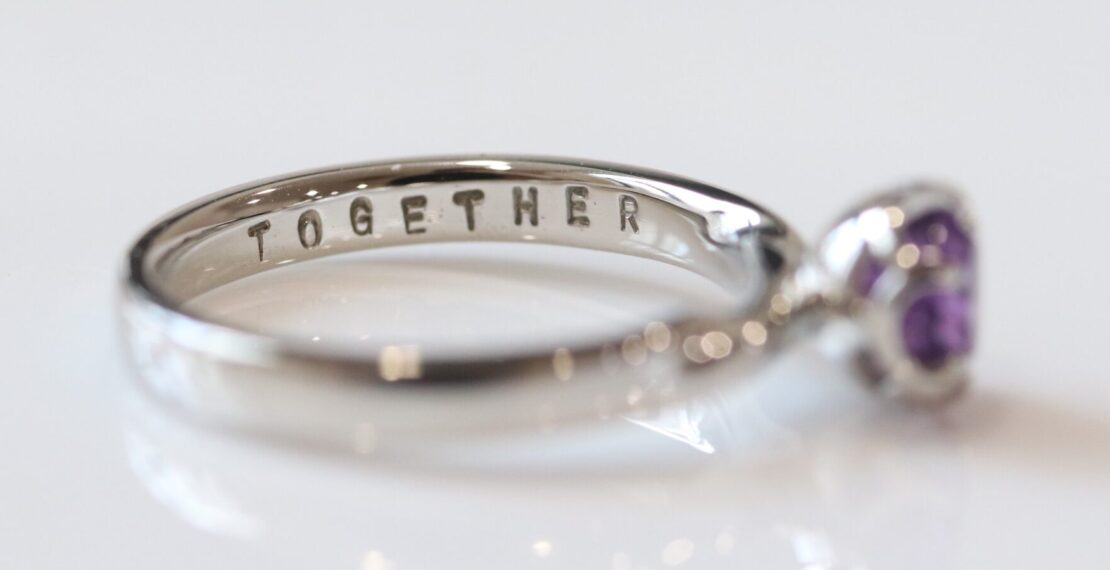
Here at KOBO, we are delighted to showcase a beautiful solitaire ring, featuring a base crafted by our customer H and the gemstone carefully set by our Japanese craftsman. At its heart lies the amethyst, elegantly encapsulated within a crown setting and paired with a double-twist platinum band, creating an engagement ring that is both distinctive and deeply personal. For amethyst gemstones, an inner stone setting is generally recommended to better protect the stone and ensure lasting wear.
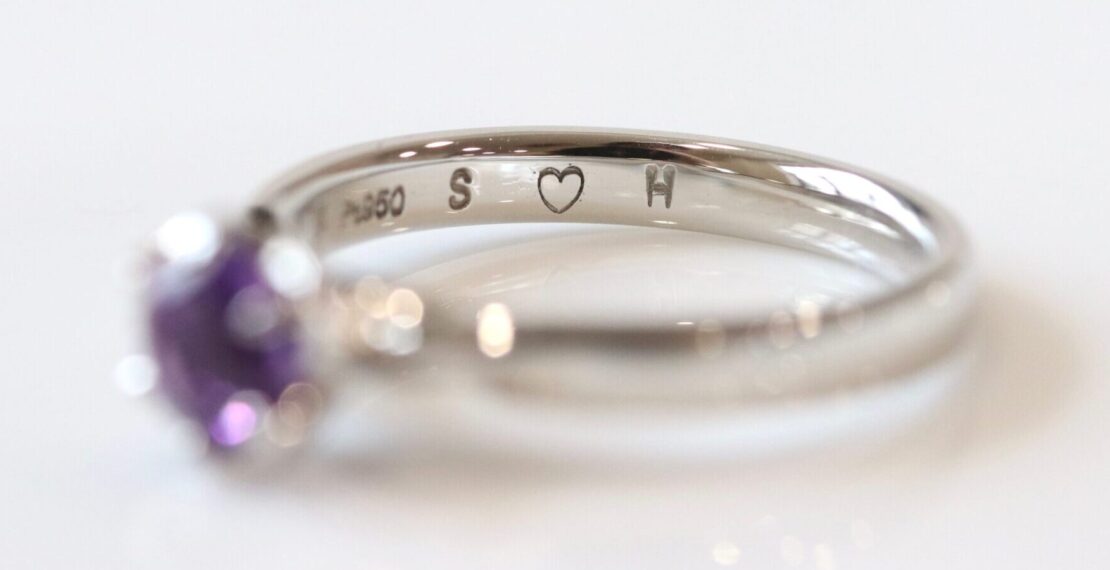
H’s partner adores the gemstone, which inspired him to choose this deep royal purple for her ring during our complimentary bridal viewing with us. With love in mind, he carefully practiced and engraved messages and symbols representing their bond, creating a promise ring destined for the moment of “I do.”

Sprinkle of Love
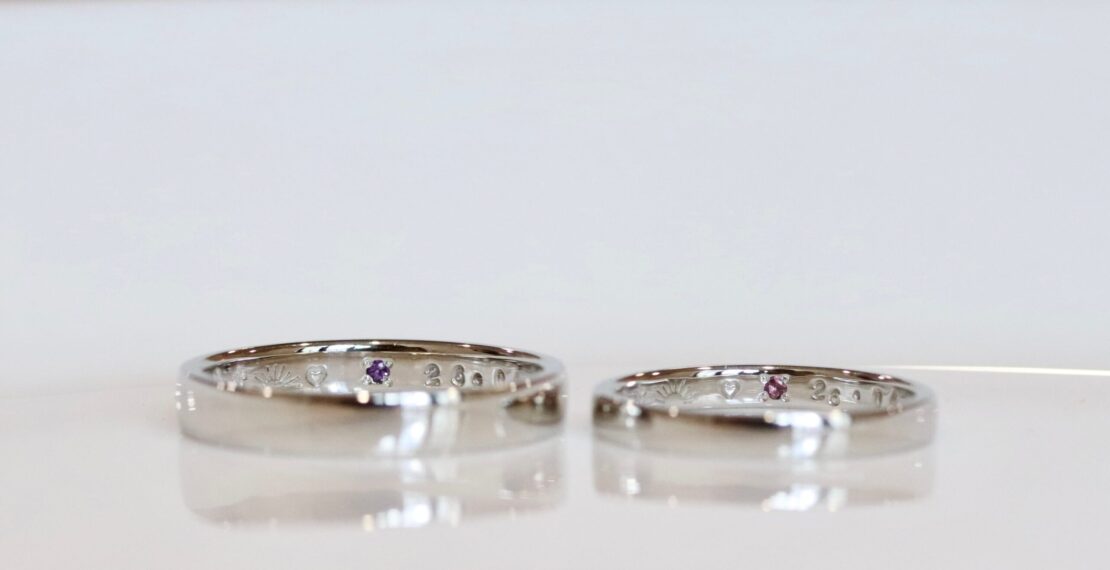
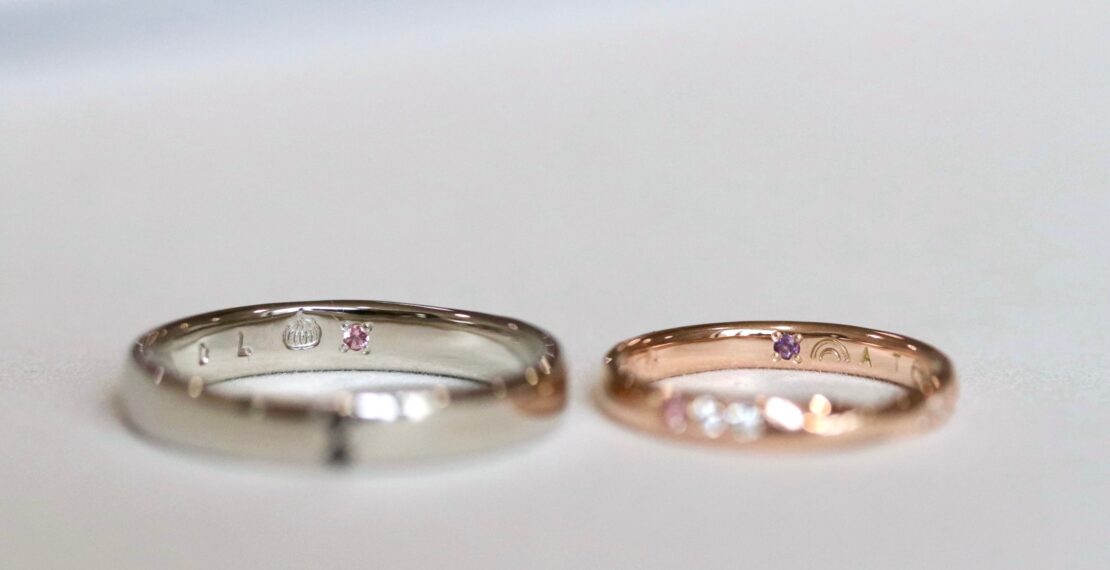
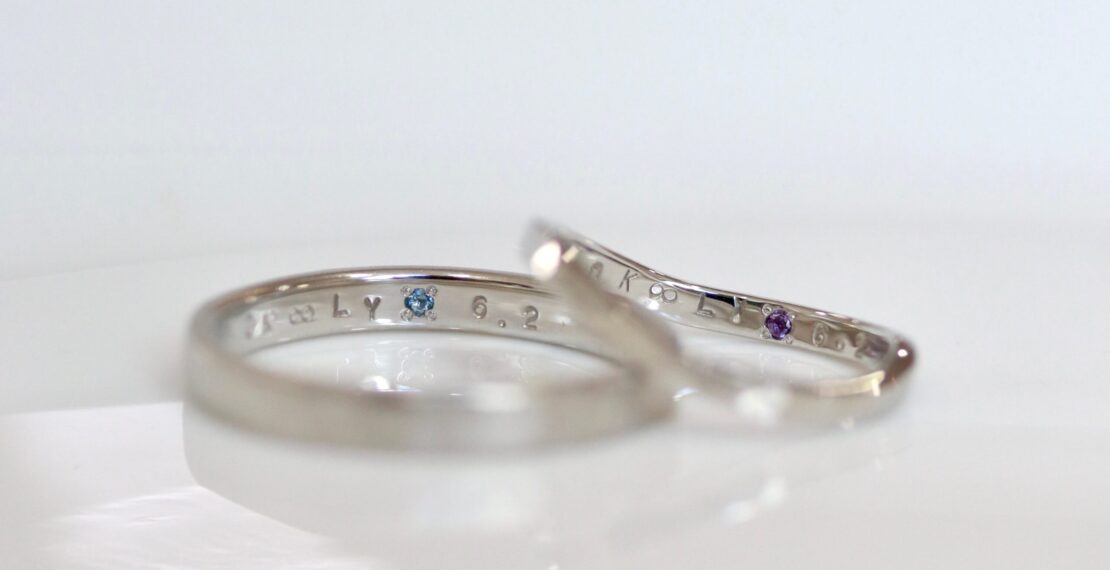
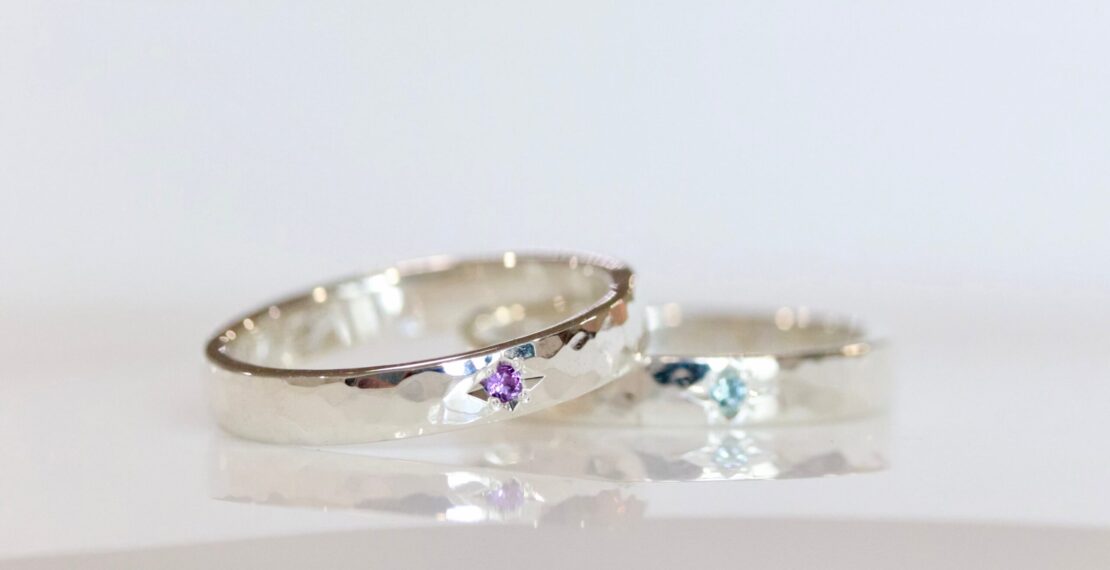
Unless it is a classic solitaire, there is no fixed number of stones required for an engagement ring. With melee gemstones available in our workshop, these additional, playful, and meaningful touches bring extra joy and sparkle, transforming each ring into a one-of-a-kind piece made especially for your partner. We offer both outer and inner stone setting styles, featuring various gemstones for an added layer of personal significance.
Ultimately, the ideal engagement ring is one that reflects the wearer’s personal style—whether that’s a minimalist single-stone design or a more intricate, multi-stone creation. Keep your partner’s preferences in mind with the utmost care, and let their individuality guide the design.
A Token of Devotion
In summary, for a purple variety of the quartz mineral family, amethyst’s colour is not only visually striking but also carries spiritual significance, bridging the physical and the metaphysical. It is believed to calm passionate impulses and promote mental clarity, making it a grounding stone that helps balance and cleanse the mind, body, and spirit. Evidently, amethyst has been cherished across civilizations—adorned by royalty, used as religious relics, and carried as personal talismans. Even today, purple crystals are often used in tarot readings or scrying to enhance focus and insight.
With its beauty, spiritual significance, and affordability, amethyst remains a value-driven gemstone accessible to all; it reigns as February’s gemstone of love, embodying passion, protection, and transformation. Yet the world of gemstones is full of possibilities. Discover and select from our curated collection through a personalized consultation, and let us help you create a promise ring that’s that reflects your love story.
The information in this article has been sourced from multiple trusted gemology websites and expert references from:
1. Gemological Institute of America (GIA) | 2. International Gem Society (IGS) | 3. The Rare Gemstone Company